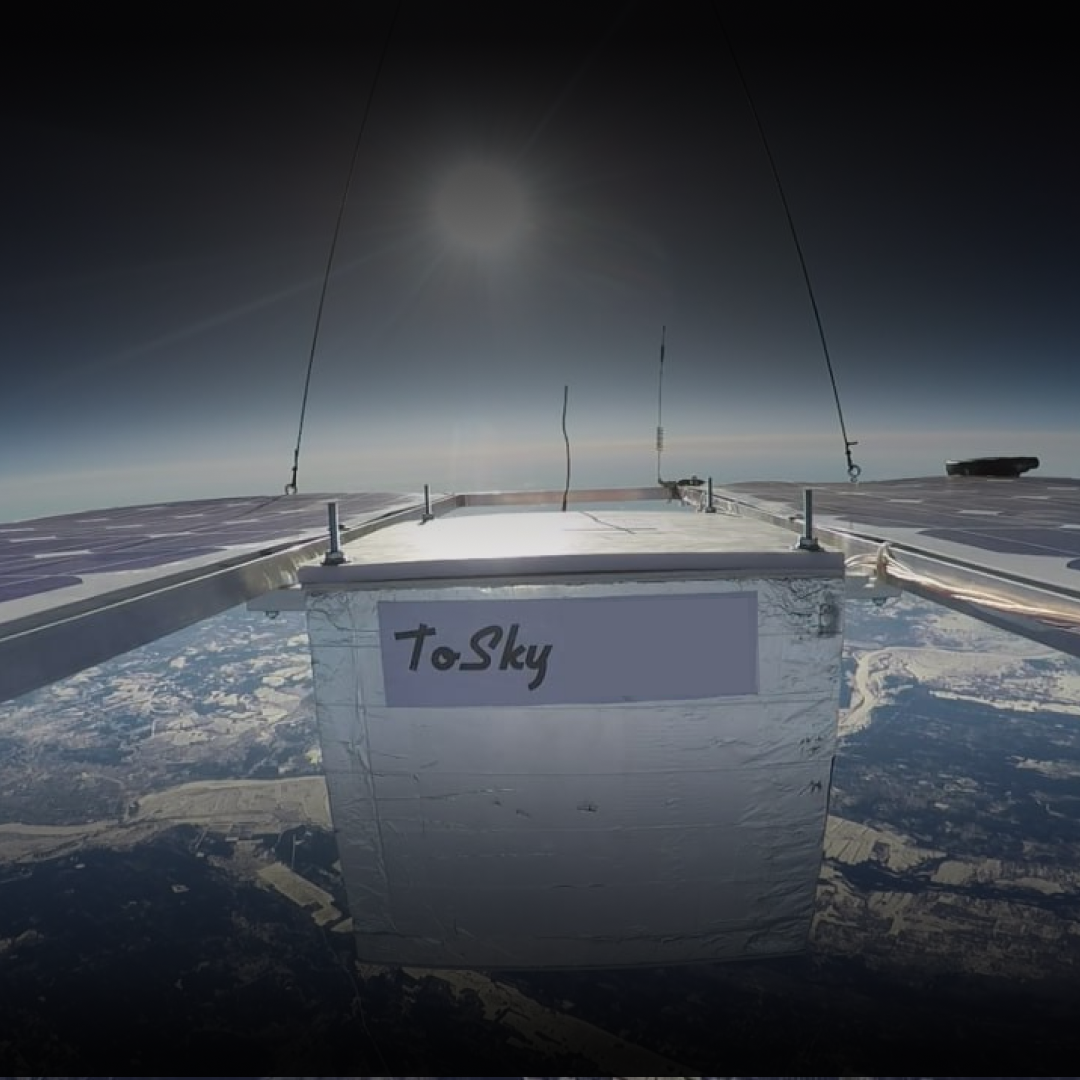
A latex balloon is designed for the rapid and inexpensive ascent of a small payload into near-space. Due to the balloon's small volume near the Earth's surface, launches can be performed in wind speeds of up to 5 m/s.
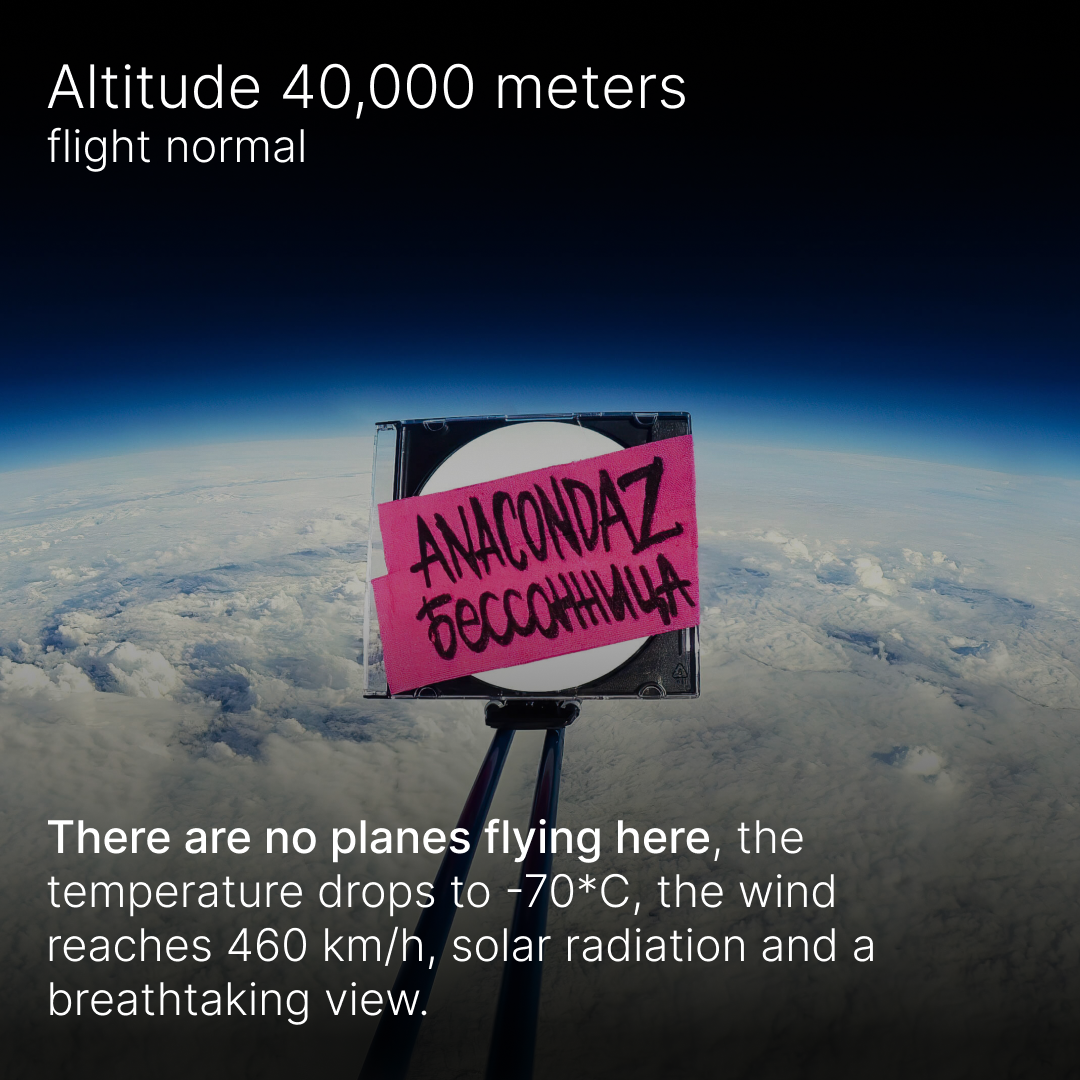
A latex balloon's flight is characterized by an ascent to an apogee altitude of 25-40 km at a speed of 2-3 m/s, an increase in the envelope's volume by tens of times compared to normal conditions, followed by rupture of the envelope, parachute deployment, and landing 150-250 km from the launch site. The total flight duration from takeoff to landing is 2 to 3 hours.
Scope:
Scientific experiments;
Technology testing in near space;
Remote sensing of the Earth;
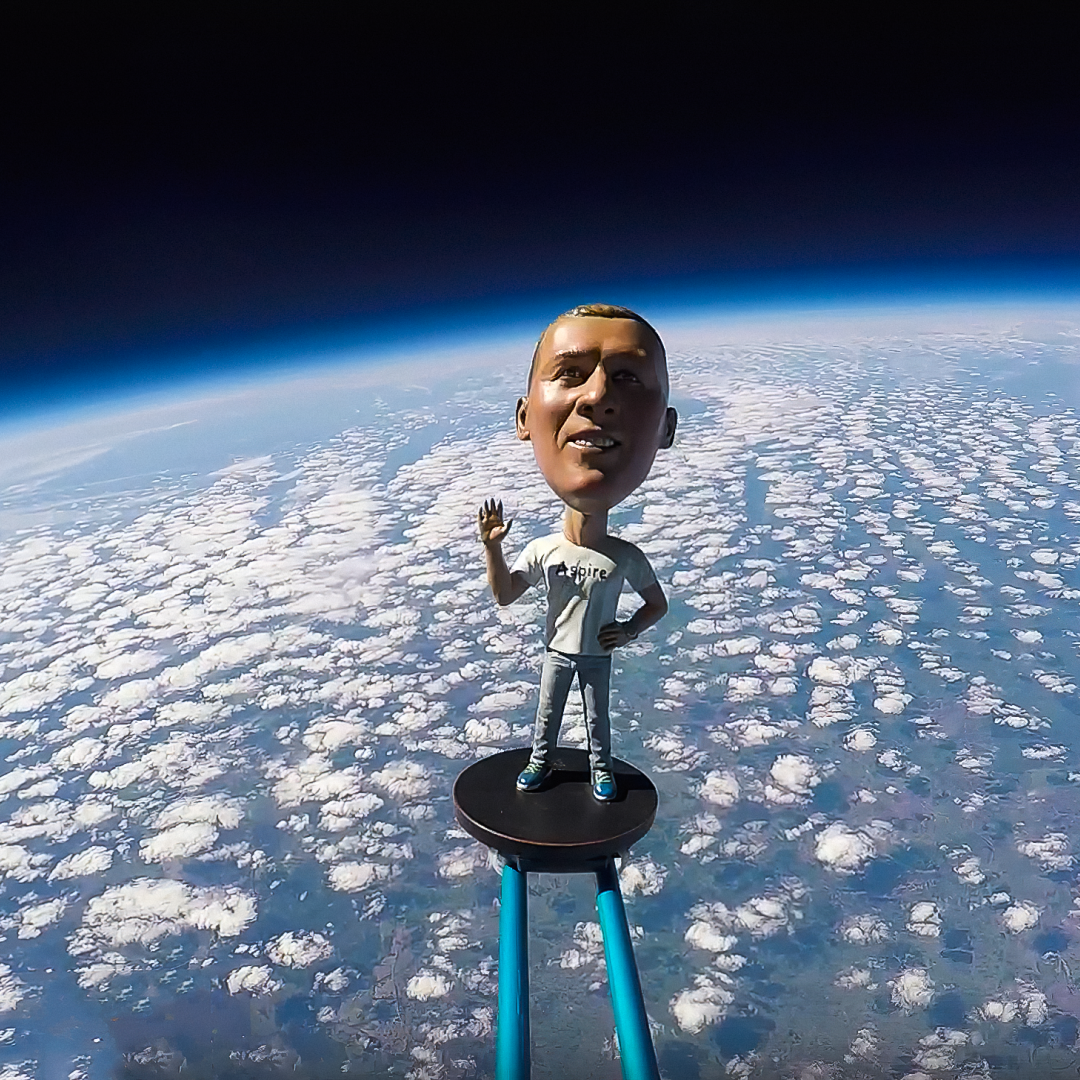
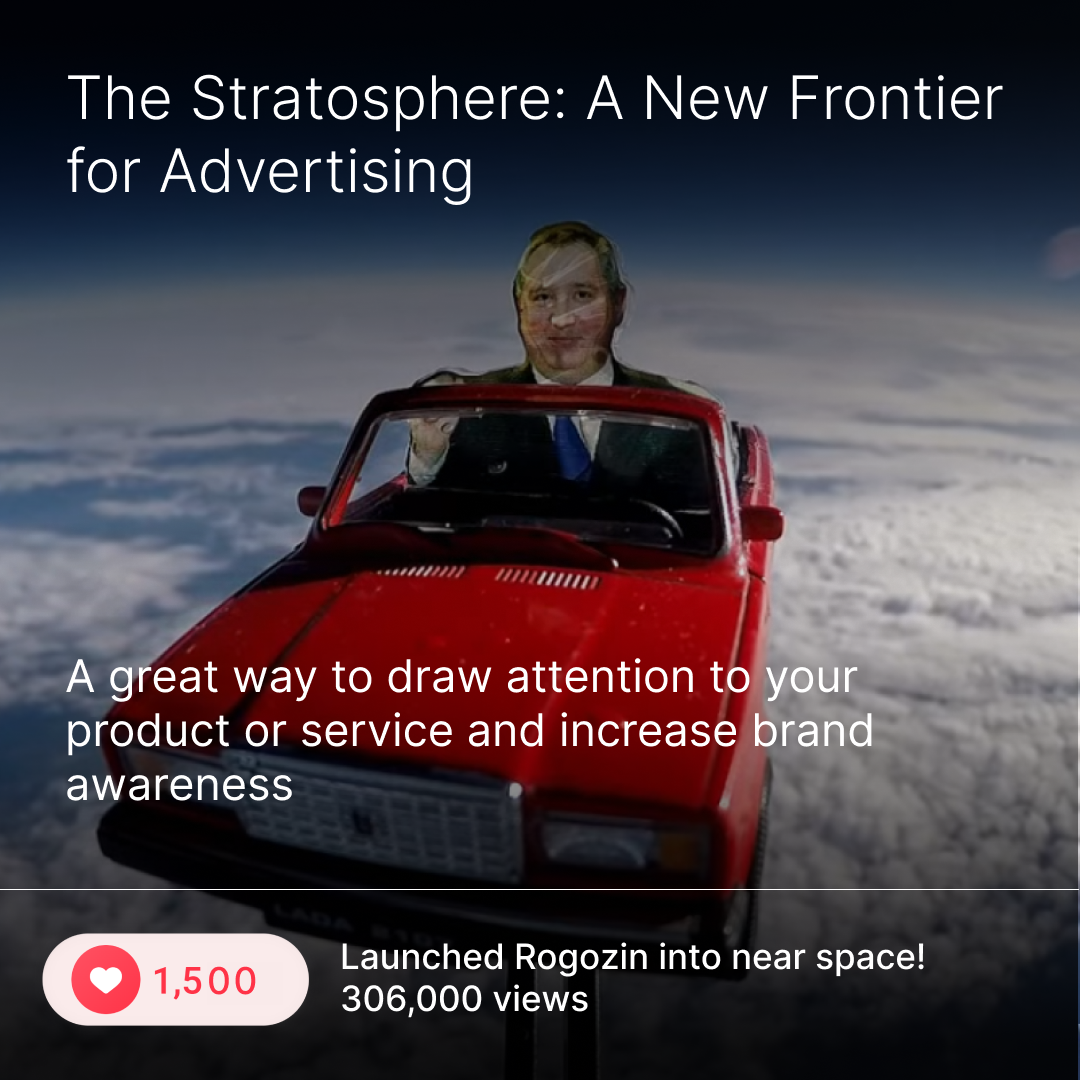
PR events (advertising in space).
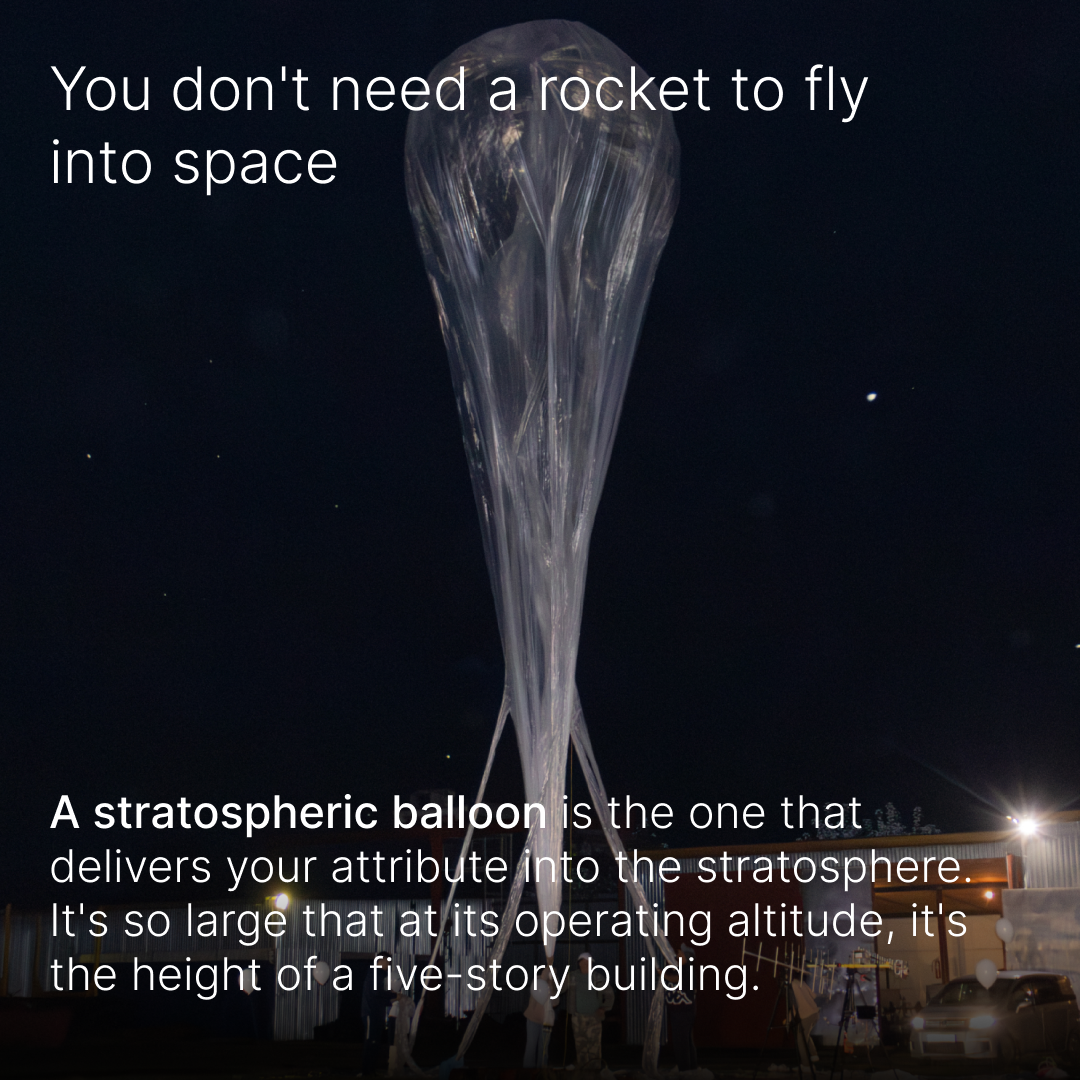
Several stratospheric balloon variants with varying payload capacities are available:
A 250m3 stratospheric balloon for payloads up to 1 kg;
500m3 stratospheric balloon for cargo weighing up to 5 kg;
750m3 stratospheric balloon for cargo weighing up to 8 kg.
The zero-pressure stratospheric balloon is characterized by a high payload capacity and an average flight endurance of up to 18 hours, depending on wind conditions and weight.
Upon reaching the specified altitude, excess lifting gas is released, the balloon ceases its ascent, and it enters a horizontal drift. The altitude reached varies depending on the mission and can be up to 35 km.
Applications:
Technology testing in near space;
Earth remote sensing;
Scientific experiments.
Several stratospheric balloon variants with varying payload capacities are available:
500m³ stratospheric balloon for payloads up to 5 kg;
1000m³ stratospheric balloon for payloads up to 10 kg;
2000m³ stratospheric balloon for payloads up to 20 kg.
The controlled zero-pressure stratospheric balloon is characterized by a high lifting capacity and an average flight endurance of up to 5 days, depending on wind conditions and weight.
Upon reaching the set altitude, excess lifting gas is released, ascent ceases, and the balloon enters a horizontal drift. At night, the balloon compensates for the loss of lifting gas by dumping ballast. The altitude reached varies depending on the mission and can be up to 35 km.
Applications:
Technology testing in near space;
Earth remote sensing;
Scientific experiments.
Several stratospheric balloon variants with different lifting capacities are available:
1000m³ stratospheric balloon for payloads up to 10 kg;
2000m³ stratospheric balloon for payloads up to 20 kg;
4000m³ stratospheric balloon for payloads up to 30 kg.
The stratospheric balloon can be used for launching spacecraft, as well as for advertising and entertainment

Launch your brand into the stratosphere! Imagine your brand merchandise soaring to incredible heights—the stratosphere! This is a unique opportunity to differentiate your brand from the competition and capture audience attention.
Why Launch into the Stratosphere? 1. Incredible Visibility: Your logos and products will be seen by millions on social media. We'll create compelling content that will go viral! 2. Innovative Approach: You demonstrate boldness and creativity, attracting new customers and increasing loyalty among existing ones. 3. Professional PR: Our team will provide full support—from concept to implementation. Your event will be the talk of the town!
Show that your brand knows no bounds. Launch into the Stratosphere isn't just advertising - it's your legacy! Contact us for details!